
9 Best Marketing Tools for Events that Every Planner Needs
Last Updated: January 5, 2026
Share to social media
Marketing tools for events are the behind-the-scenes power players that turn a good event into a great one. When timelines are tight and expectations are high, the right tools keep everything moving smoothly from start to finish.
Standing out takes more than reminders and registration links. From video-based messages and a free greeting card maker to automation and engagement-focused solutions, today’s tools help create moments people actually remember.
Below, we’re breaking down event tools every planner needs, focusing on the tool types that drive connections before, during, and after the event.
Table of Contents
1. Video greeting and personalized messaging tools
If you’re still sending plain-text invites or generic email reminders, this is your sign to stop.
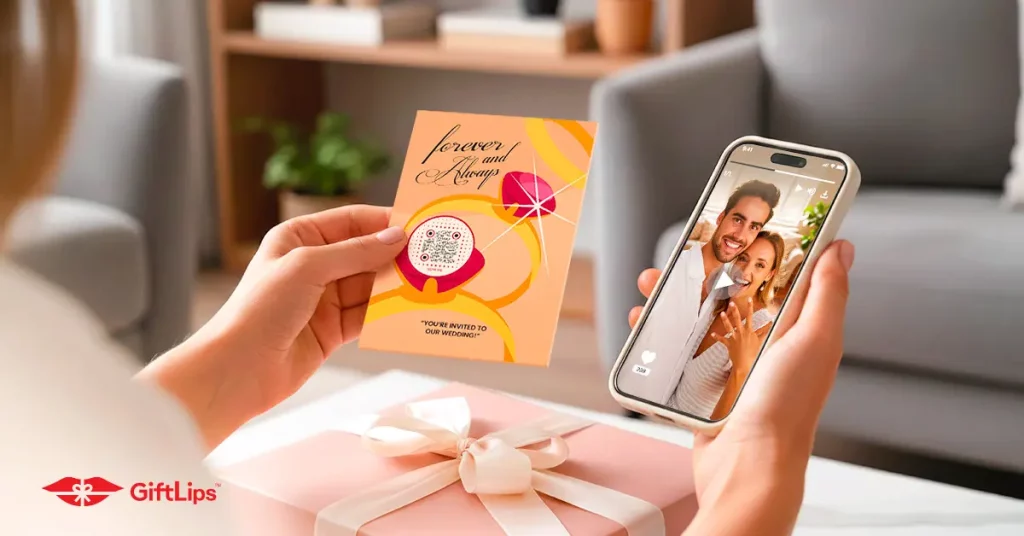
Video-based greeting and messaging tools let planners send personalized video greeting cards for invitations, reminders, thank-you messages, sponsor outreach, and post-event follow-ups.
Tools like GiftLips allow event planners to create interactive video messages that feel thoughtful. Think welcome videos from hosts, or sponsor shoutouts wrapped in a digital card experience.
2. Event management and registration platforms for party planning
Every planner needs a central command center.
Event management platforms handle registrations, ticketing, scheduling, attendee data, and sometimes even check-ins. They’re essential for keeping your logistics tight and your attendee experience smooth.
For any marketer managing multiple events or campaigns, this tool type keeps chaos under control.
3. Email marketing and automation tools
Email is still undefeated. But only if you use it right.
Email marketing tools help planners create drip campaigns, event countdowns, and follow-ups without manually sending every message. When paired with personalization, they become a high-performing channel for engagement and conversions.
Platforms like Mailchimp or HubSpot are common examples, but the real magic happens when email is paired with richer content like video or an online greeting card embedded directly into the message.
4. Social media scheduling and promotion tools
Social media is where buzz is built.
Scheduling tools help an event coordinator plan, batch, and automate posts across platforms while keeping messaging consistent. This matters more than ever when you’re promoting speakers, sponsors, deadlines, and live updates all at once.
5. Landing page and event website builders
Your event needs a home base.
Landing page builders allow planners to create dedicated event pages without waiting on developers. These pages house schedules, speakers, FAQs, registration links, and embedded media.
Many planners integrate video or testimonials to make the page feel more personal and less transactional.
6. CRM and attendee relationship tools
Events don’t end when the lights go out.
Marketing tools for events, like a CRM software, help planners track attendee interactions, preferences, and engagement across multiple touchpoints. This is especially valuable in business settings where long-term relationships matter more than one-time attendance.
Benefits include:
- Better follow-ups;
- Smarter segmentation; and
- Stronger sponsor and partner relationships.
7. Survey and feedback collection tools
If you’re not collecting feedback, you’re guessing.
Survey tools allow planners to gather insights from attendees, sponsors, and speakers. They’re essential for improving future events and proving ROI to stakeholders.
Pro tip: Pairing a feedback request with a thank-you video or personalized online greeting card often increases response rates and goodwill.
8. Analytics and performance tracking tools
Numbers matter, especially in business.
Analytics tools help track registration sources, engagement rates, email performance, and post-event outcomes. This data is crucial when justifying budgets and refining strategies.
When combined with digital marketing platforms, analytics turn events into repeatable, scalable campaigns instead of one-off projects.
9. Collaboration and project management tools
Behind every successful event is a team juggling tasks, deadlines, and last-minute changes.
Project management tools help keep everyone aligned, from internal teams to vendors and freelancers. They’re especially helpful in large-scale party planning or multi-day conferences.
How marketing tools for events work better together
The real value of marketing tools comes from how they support each other, not how many you use.
When tools are connected by purpose and process, planning becomes faster, communication stays consistent, and nothing slips through the cracks.
For example, an event invitation sent as a greeting card can lead directly into registration, followed by automated reminders and a post-event thank-you. Each tool handles one step, but together they create a smooth, intentional experience for attendees.
When tools work in sync, you, as an event coordinator, spend less time managing platforms and more time delivering results. That alignment is what turns individual tools into a reliable event marketing system.
How to use video greeting cards for events
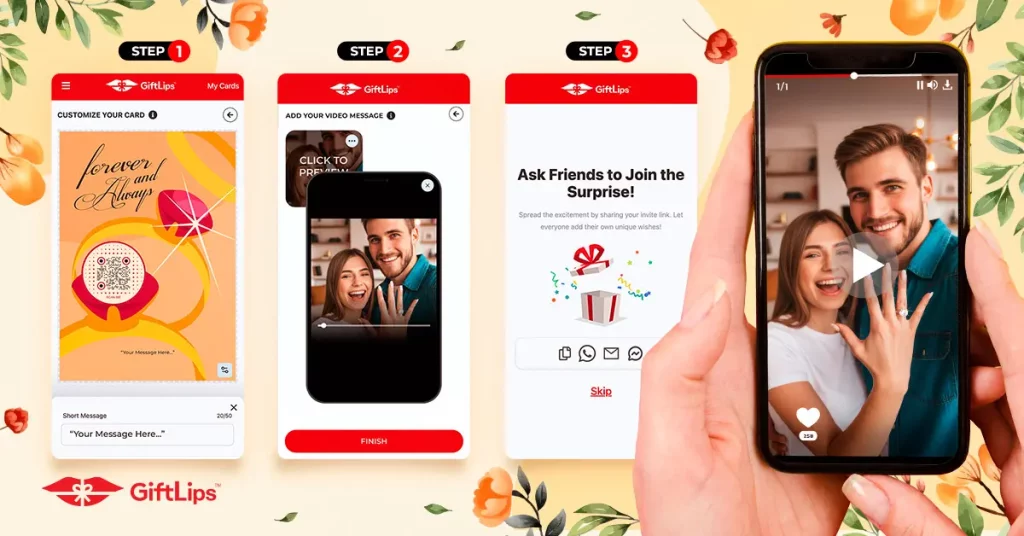
Digital greeting cards are one of the simplest ways to add a personal layer to event communication without adding more work.
Used strategically, they help event coordinators increase engagement at key moments before, during, and after an event.
Before the event
A video greeting card works well for invitations or save-the-dates. A quick welcome from the host or organizer builds familiarity and sets expectations, which can improve registration and attendance.
During the event
It can be used to share reminders, highlight agenda updates, or thank sponsors and speakers. These messages feel intentional and human, even when sent at scale.
After the event
It becomes a powerful follow-up tool. A thank-you message, recap, or next-steps video helps reinforce the connection while the experience is still fresh.
For event coordinators managing multiple touchpoints, these cards act as a single format that adapts easily across the event lifecycle.
They’re fast to create, easy to personalize, and effective at keeping communication consistent and memorable.
Bringing it all together
The most effective marketing tools for events help event managers stay organized while creating real connection at every touchpoint. When communication feels personal and consistent, events are easier to manage and more memorable for attendees.
Tools that support video messaging and a free greeting card maker make it simple to add that human layer without adding extra work. That’s where GiftLips fits naturally into an event strategy.
If you’re looking for a simple way to personalize invitations, reminders, and follow-ups, GiftLips gives you everything you need to create video greeting cards that actually get noticed. Try it for your next event and turn everyday messages into moments that matter.
FAQs
What makes a good marketing event?
A good marketing event has a clear goal, runs smoothly, and delivers value to the right audience. Every touchpoint should feel intentional, from registration to follow-up.
For example, a product launch event might start with a clear invitation explaining who the event is for and why it matters. Attendees receive timely reminders, know exactly what to expect, and get a thoughtful follow-up message after the event. Nothing feels rushed or unclear.
What is the event marketing funnel?
The event marketing funnel is the real-world path attendees take from discovering an event to what happens after it ends.
It includes promotion, registration, pre-event engagement, attendance, and follow-up.
In practice, it’s about sending the right message at each stage. For example, an attendee sees an event invite, registers easily, receives timely reminders, attends with clear expectations, and gets a follow-up message afterward.
When each step is planned intentionally, attendance improves and relationships last beyond the event.
